
 Call Alpharetta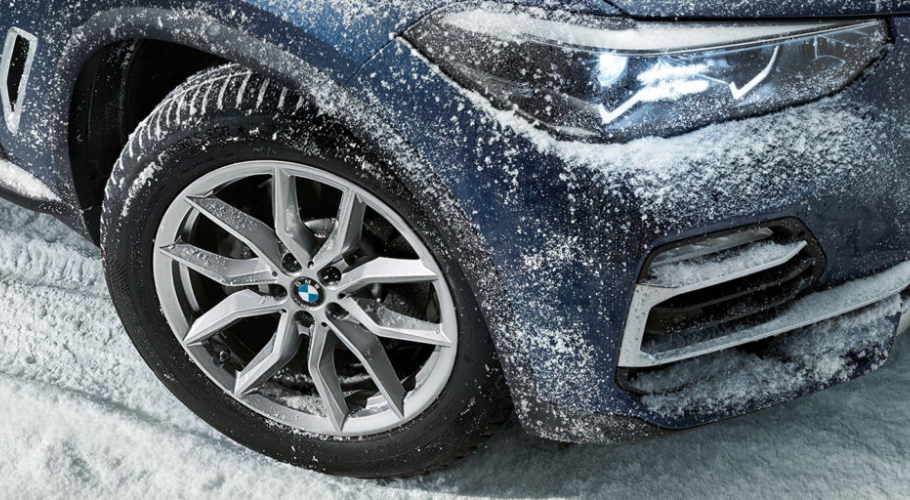
Driving a BMW is a unique experience. These vehicles are engineered for balance, precision, and smooth performance on clear highways, busy city streets, and uneven country roads. Once winter arrives, though, cold temperatures, wet pavement, and slick surfaces can affect how your tires respond. Winter conditions demand a little extra attention, and proper tire care is one of the most important steps you can take to protect your BMW’s handling and safety.
Below, we share how winter weather affects your tires and what you can do to keep them performing at their best throughout the season.
Effects of Winter on Your BMW Tires
Tread Hardens
Most BMW drivers use high-performance summer or all-season tires during the rest of the year. When temperatures drop, the rubber compounds in these tires lose flexibility and stiffen. This reduces their ability to grip the road, especially when cornering or braking. That is why switching to winter tires is one of the most effective ways to maintain stability and predictable handling in cold weather.
Traction Reduces
Cold pavement, icy patches, sleet, and early-morning moisture all reduce available traction. Regular tires cannot maintain the same grip in low temperatures, which makes your BMW more likely to slide or lose stability. Winter tires are designed with specialized rubber and tread patterns that stay flexible in the cold and maintain traction on these surfaces.
Accelerated Wear
When tires not designed for winter are used in freezing conditions, the stiffened rubber tends to wear unevenly and break down faster. We often see tread block edges chip or round off, shortening the lifespan of otherwise expensive tires. Using the correct tires during the season helps prevent premature wear and protects your investment.
Preventive Tips to Keep Your BMW’s Tires Safe During Winter
Check Tire Pressure
Cold temperatures cause tire pressure to drop. We recommend checking your tire pressure weekly during winter, especially after nights with freezing conditions. Proper inflation helps maintain safe handling, stable braking, and balanced weight distribution. If you are unsure how to check the pressure or prefer professional assistance, stop by any of our locations and we can take care of it for you.
Inspect Tread Depth
Winter driving conditions require healthy tread depth. Worn tread significantly reduces your ability to grip wet or icy pavement. A quick visual check is often enough to spot low or uneven tread. If you are unsure whether your tires are still safe for the season, visit us during any routine service and we will measure the tread and advise you on the best next steps.
Rotate and Balance Tires
Uneven tire wear is common during winter, especially on higher-torque BMW models. We recommend rotating and balancing your tires every 5,000 miles or at each oil change during the season. This helps extend tire life, supports stable handling, and prevents vibration or noise while driving. If you need help setting the right rotation schedule for your driving habits, our team can guide you.
Why Trust Solo Motorsports with Your BMW’s Winter Tires?
At Solo Motorsports, we understand the level of performance you expect from your BMW. Our technicians specialize in European vehicles and are trained to handle every component of your car with care, including tire inspections, mounting, balancing, and winter tire preparation. We use quality tools and follow manufacturer-approved procedures to ensure your BMW stays safe and steady throughout winter.
If you are preparing your BMW for the season, we invite you to visit us at any of our nine locations across the Atlanta area:
Schedule an appointment or stop by the shop nearest to you and let us help keep your BMW ready for winter roads.