
 Call Alpharetta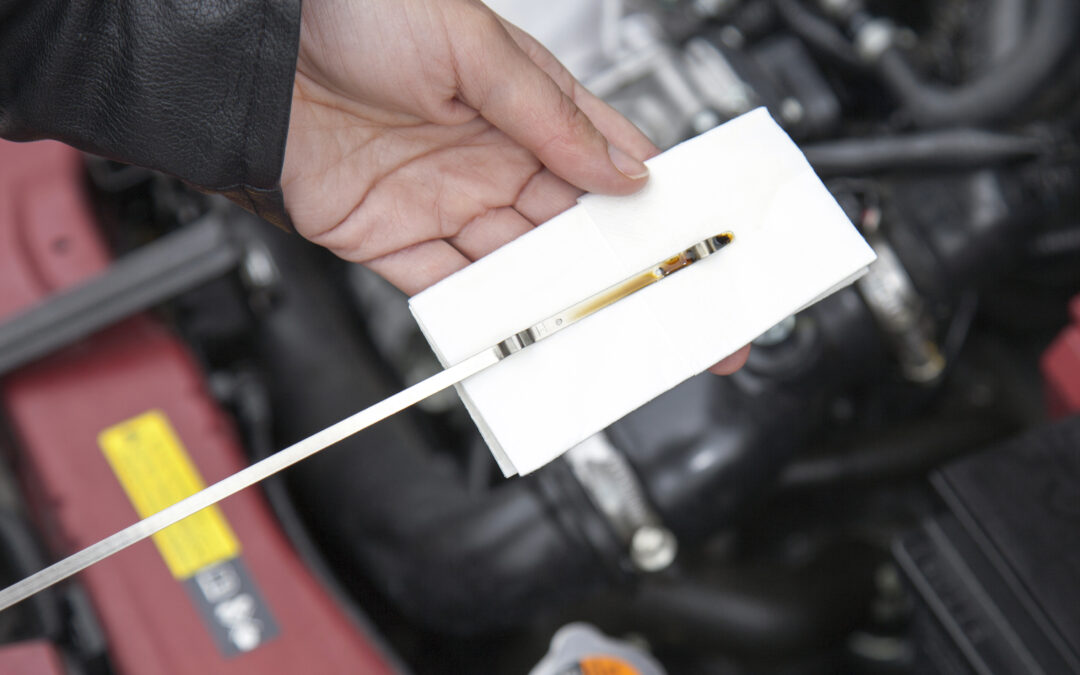
If you’ve been adding oil between service intervals on your Audi, you’re not alone — and you’re not imagining it. Audi oil consumption has been one of the most widely discussed and documented issues among Audi owners over the past decade, particularly in vehicles equipped with the 2.0T FSI, 3.0 TFSI, and several V6 and V8 engines produced between 2007 and 2014. While Audi has acknowledged the issue and addressed it on later production runs, tens of thousands of affected vehicles are still on the road in Atlanta and across Georgia, and their owners deserve clear, honest information about what’s happening inside their engines and what can be done about it.
At Solo Motorsports, we specialize in German and European vehicle repair across multiple locations in the greater Atlanta area, and Audi oil consumption diagnosis and repair is one of our most commonly requested services. We see every variant of this problem — from mild consumption that simply requires attentive monitoring to severe consumption that has already caused significant engine damage. This guide will help Audi owners in the Atlanta area understand the root causes, identify the warning signs, and know what their options are.
Why Do Audis Consume Excess Oil?
Audi’s turbocharged direct-injection engines are remarkable pieces of engineering, but a design characteristic in earlier models created a persistent oil consumption issue. The piston rings on many of these engines — particularly those in the 2.0T FSI and 3.0 TFSI platforms — were designed with narrow tension profiles intended to reduce friction and improve fuel efficiency. The trade-off is that these rings don’t always create a complete seal against the cylinder walls, allowing small amounts of oil to enter the combustion chamber and burn with the fuel mixture.
In mild cases, this results in consumption rates of one quart per 1,000–2,000 miles. In more severe cases, the consumption can be even higher, and the oil that burns in the combustion chamber gradually fouls spark plugs, oxygen sensors, and catalytic converters — creating a cascade of secondary issues on top of the original problem.
Turbocharger oil seals are another contributing factor. The turbo on these engines relies on engine oil for lubrication and cooling, and over time, the seals that prevent oil from entering the intake side of the turbo can degrade, allowing additional oil consumption through that pathway.
How Atlanta’s Climate Affects the Issue
Georgia’s climate — characterized by hot, humid summers and relatively mild winters — creates specific conditions for Audi oil consumption. High ambient temperatures put additional thermal stress on engine components, including the piston rings and turbocharger seals. Vehicles that idle frequently in heavy Atlanta traffic add heat cycles that accelerate seal wear.
Short trip driving patterns — common in suburban Atlanta commutes where the engine never fully reaches optimal operating temperature — are also harder on these components than sustained highway driving. If your Audi spends most of its time in stop-and-go traffic on I-285 or GA-400, that pattern can make an existing oil consumption issue more pronounced.
Recognizing the Warning Signs
The most straightforward sign is monitoring your oil level between changes. If you’re losing a quart or more every 1,000 miles, that’s above the threshold most independent mechanics — including our team at Solo Motorsports — consider acceptable. Audi’s official stance has varied over the years (at one point, the company listed one quart per 600 miles as “normal”), but in practice, any consumption rate that requires you to add oil between changes deserves investigation.
Other warning signs include blue-tinted exhaust smoke on startup, a burning oil smell from the engine compartment, fouled spark plugs discovered during a service visit, and check engine lights related to misfires or oxygen sensor readings. If you’re experiencing any of these alongside higher-than-expected oil consumption, bring your Audi to Solo Motorsports for a proper diagnostic.
Repair Options for Audi Oil Consumption
The right repair depends on how far the issue has progressed. For vehicles with mild consumption and no secondary damage, an updated piston ring and valve seal kit — often the same or similar to what Audi eventually used as a factory fix on later production models — can significantly reduce consumption rates and extend engine life.
For vehicles where the turbocharger seals have failed, a turbo rebuild or replacement resolves that component of the issue while preserving the rest of the engine. For vehicles with long-term, high-consumption histories that have gone unaddressed, a more thorough engine assessment is warranted to determine whether additional internal damage has occurred.
Solo Motorsports performs detailed oil consumption tests — including measuring consumption over a specified mileage interval — to establish a baseline before recommending repairs. We won’t suggest an expensive engine overhaul if a targeted repair will solve the problem. But we also won’t minimize a serious issue if your engine genuinely needs more extensive work.
Call or visit any Solo Motorsports location in the Atlanta area to schedule your Audi oil consumption diagnostic today.
Q: How much oil consumption is considered “normal” for an Audi?
A: Audi has stated varying thresholds over the years, but the automotive industry generally considers consumption exceeding one quart per 1,000 miles to be excessive and worth investigating. At Solo Motorsports, we treat any consumption that requires adding oil between scheduled changes as something that deserves a proper diagnosis.
Q: Will the oil consumption problem eventually destroy my Audi’s engine?
A: If left unmonitored, yes — running an engine low on oil causes significant internal damage. However, with proper monitoring and proactive maintenance, many Audis with known oil consumption issues continue to run reliably for years. The key is staying ahead of it and addressing the root cause rather than just adding oil repeatedly.
Q: Does this issue affect all Audi models?
A: The most commonly affected models are those with 2.0T FSI and 3.0 TFSI engines from the 2007–2014 production range. Later models with updated piston ring designs show significantly lower consumption rates. If you’re unsure whether your specific model is affected, Solo Motorsports can assess it during a service visit.
Q: Can I continue driving my Audi if it’s consuming oil?
A: Yes, as long as you monitor your oil level closely and keep it within the safe operating range. However, we strongly recommend getting the issue properly diagnosed and addressed rather than simply topping off indefinitely — both for the health of your engine and to avoid secondary issues like fouled sensors and catalytic converter damage.
Address: 11255 State Bridge Rd, Alpharetta, GA 30022
(770) 676-7686
solomotorsports.net