Call Alpharetta
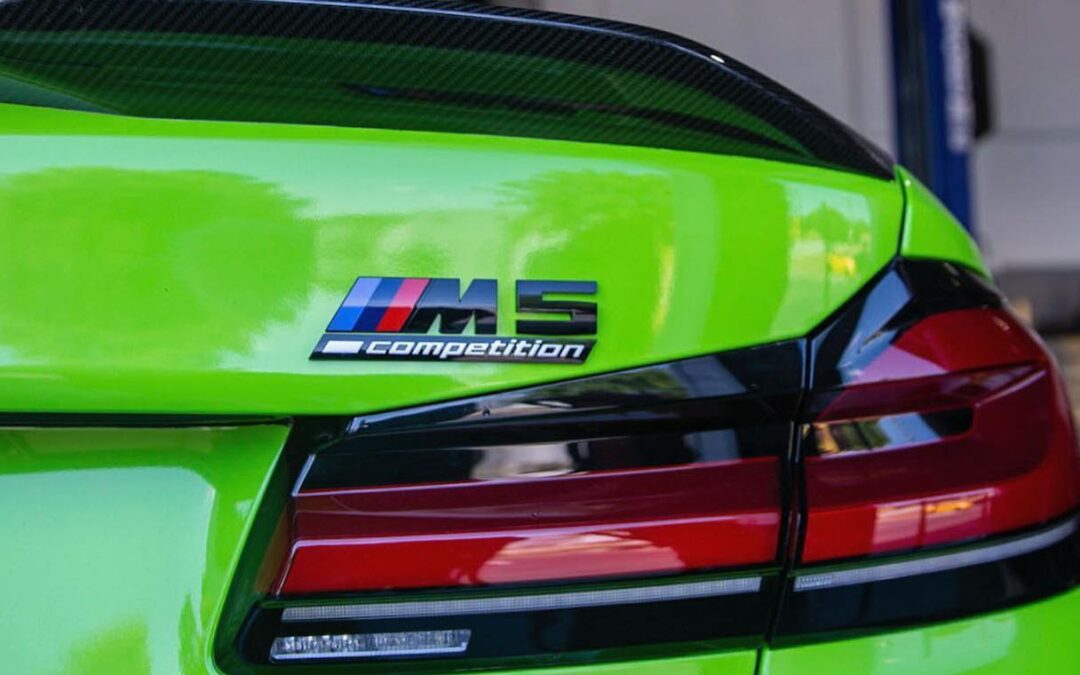
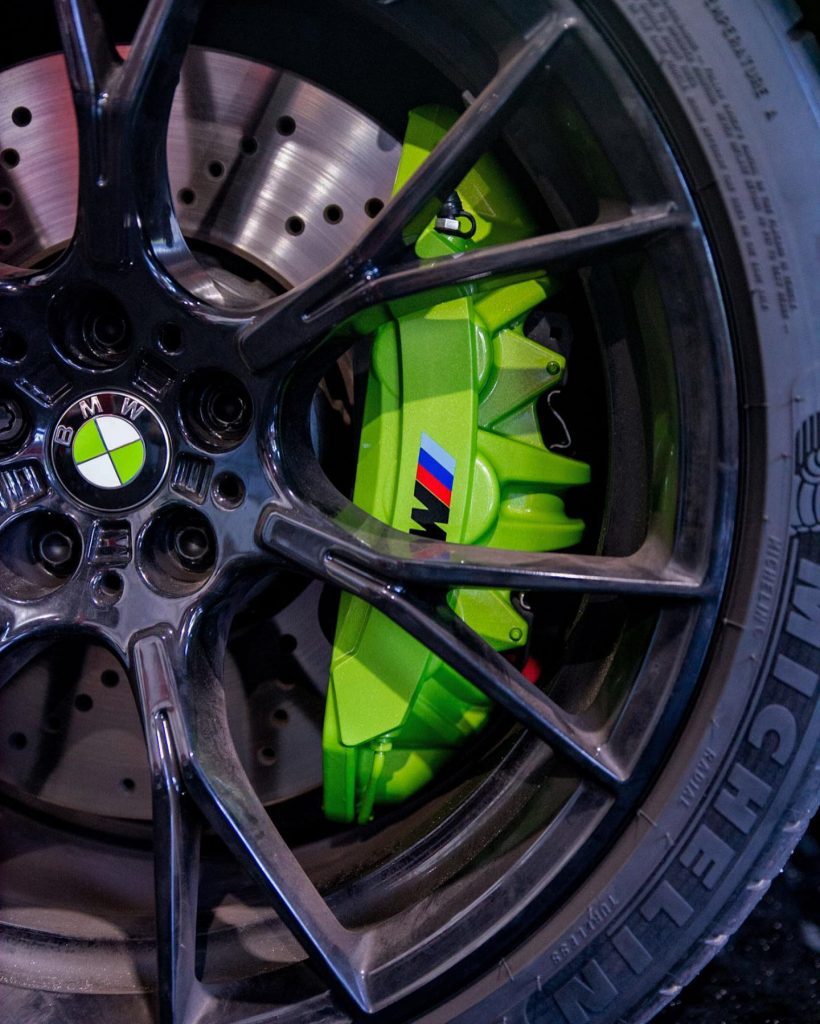
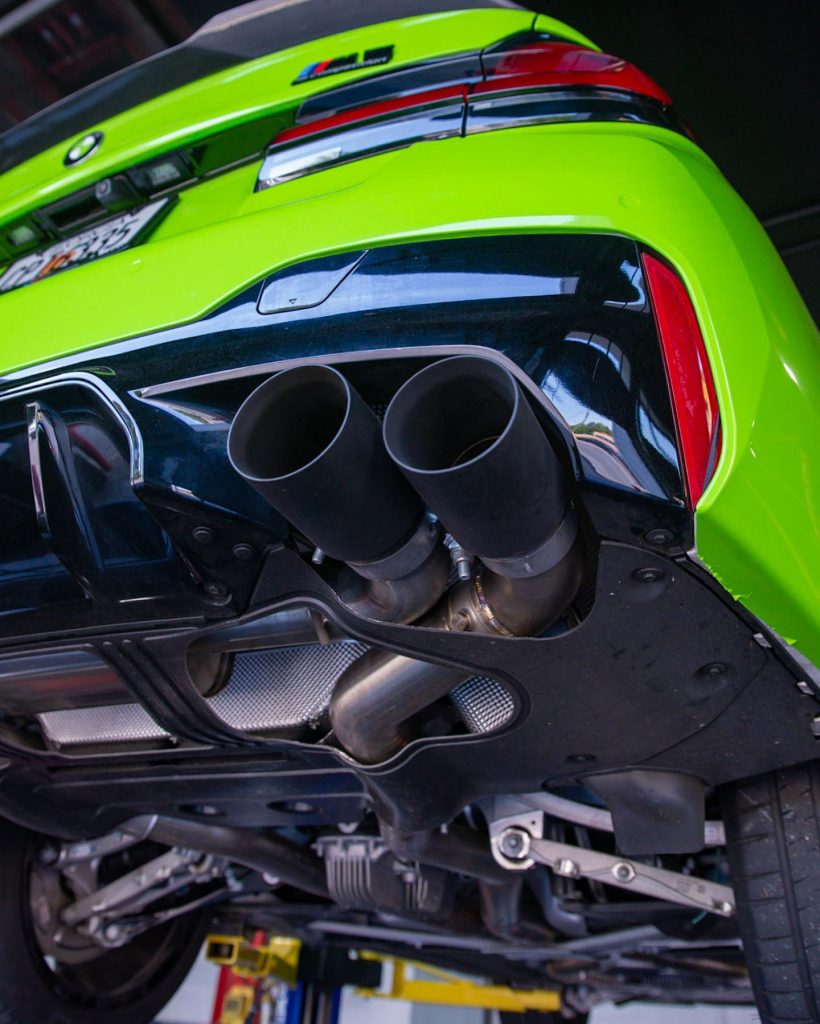
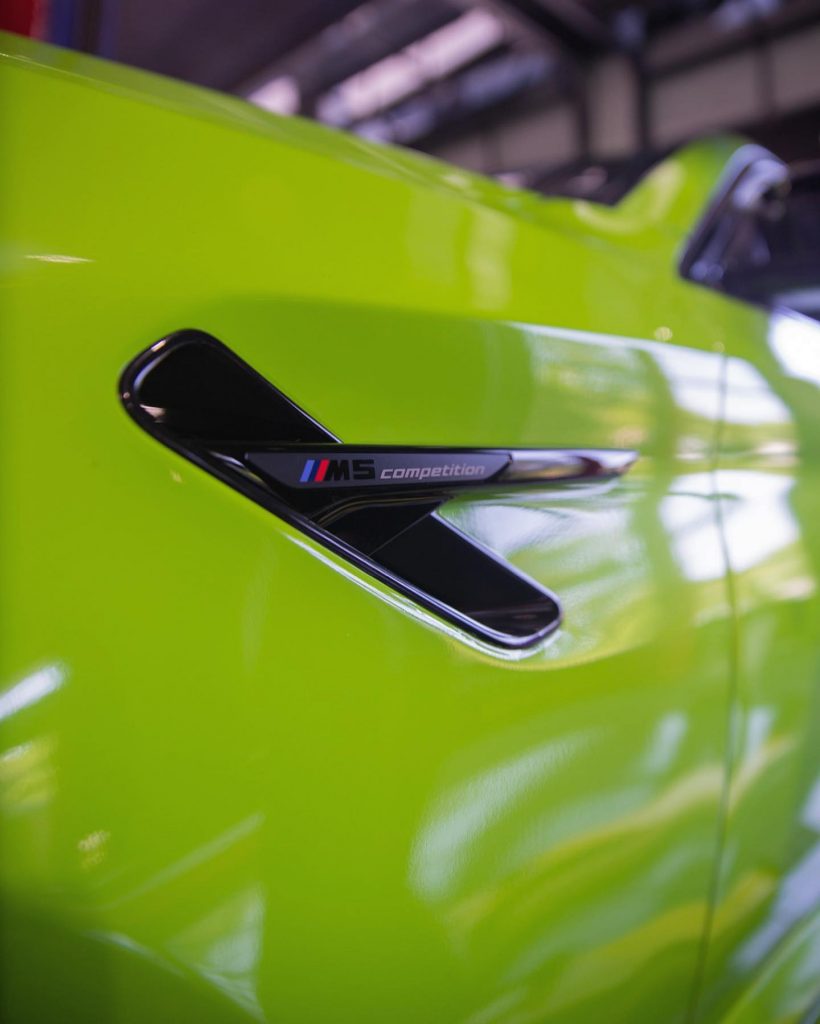
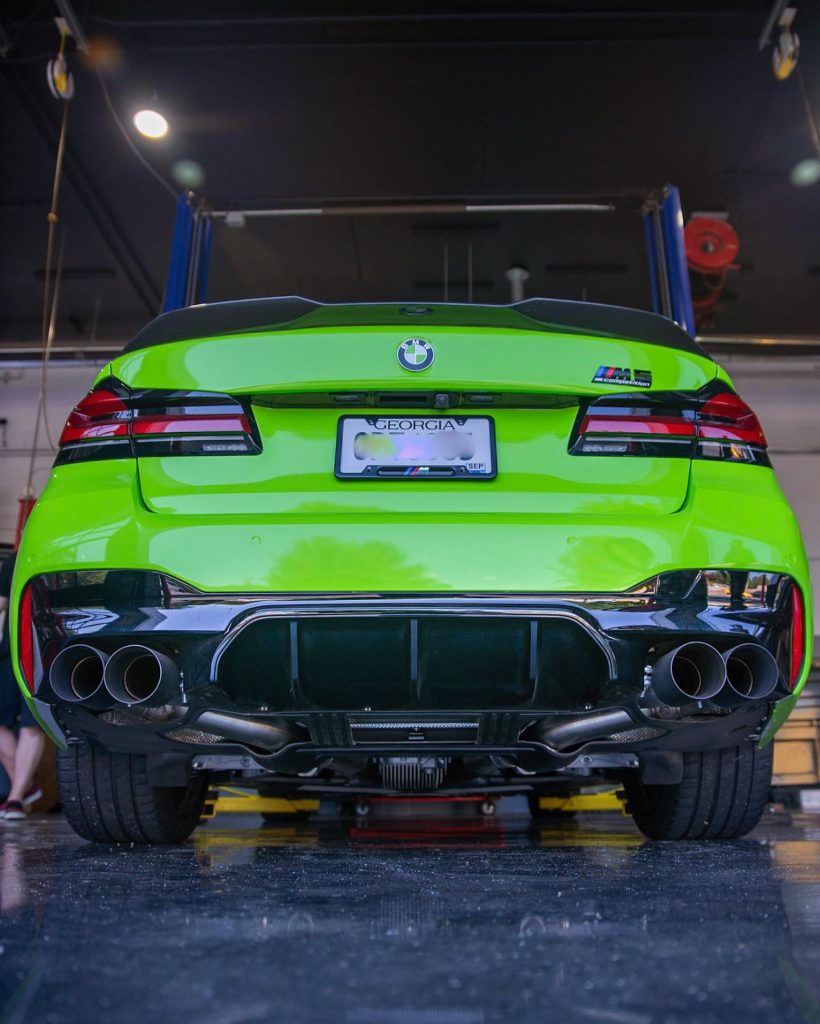
This F90 BMW M5 Competition visited Solo Motorsports for an SMS engine-calibration project. The car’s green finish made it memorable, but the work centered on careful setup and calibration—not broad claims or an estimated power gain.
BMW M5 Competition tuning approach
A performance calibration should be matched to the specific vehicle and its current configuration. Before changing software, technicians need to understand the car’s hardware, fuel, maintenance condition, and intended use. Those details affect what can be evaluated safely.
This project record confirms that the M5 received an SMS tune. It does not include a verified before-and-after dyno chart, so we are not publishing an invented horsepower result. Any measured outcome should come from the vehicle’s actual data and test conditions.
Why vehicle-specific calibration matters
Generic power claims do not explain how a particular car was configured. A vehicle-specific approach makes it easier to review logs, identify relevant limitations, and document what was changed. It also gives the owner a clearer basis for future service or hardware decisions.
The original gallery below shows the BMW M5 Competition during its visit. The images and project identity remain unchanged.
Discuss your BMW performance goals
If you are planning BMW M5 Competition tuning, tell us about the car, its modifications, the fuel you use, and whether it is primarily street- or track-driven. Contact Solo Motorsports to discuss the next diagnostic or calibration step.