Call Alpharetta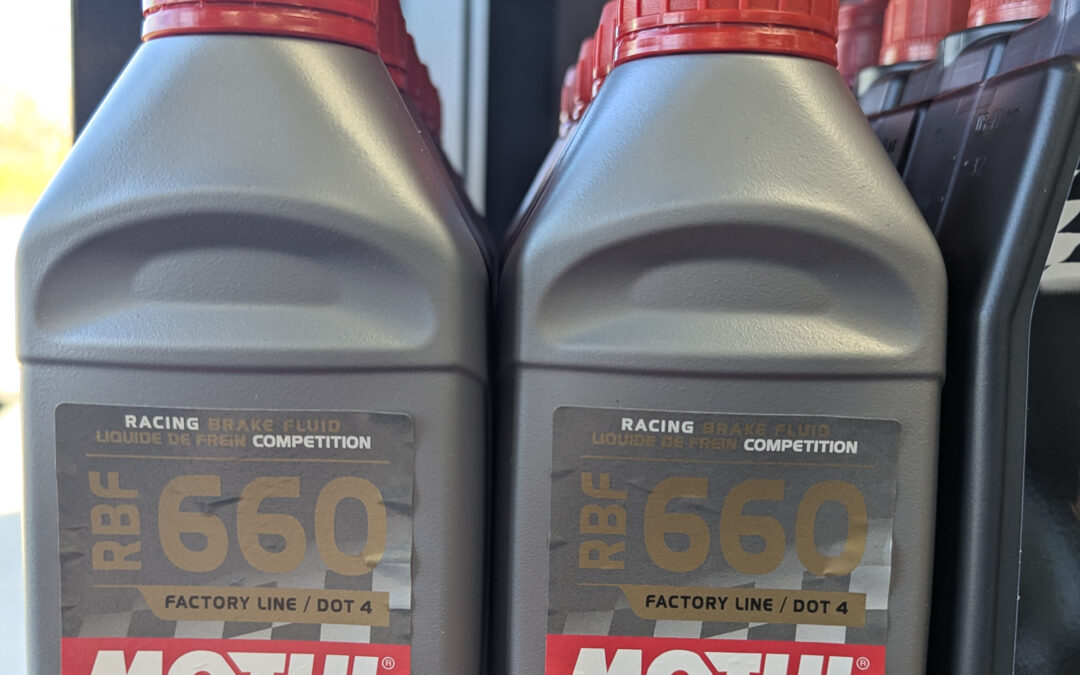
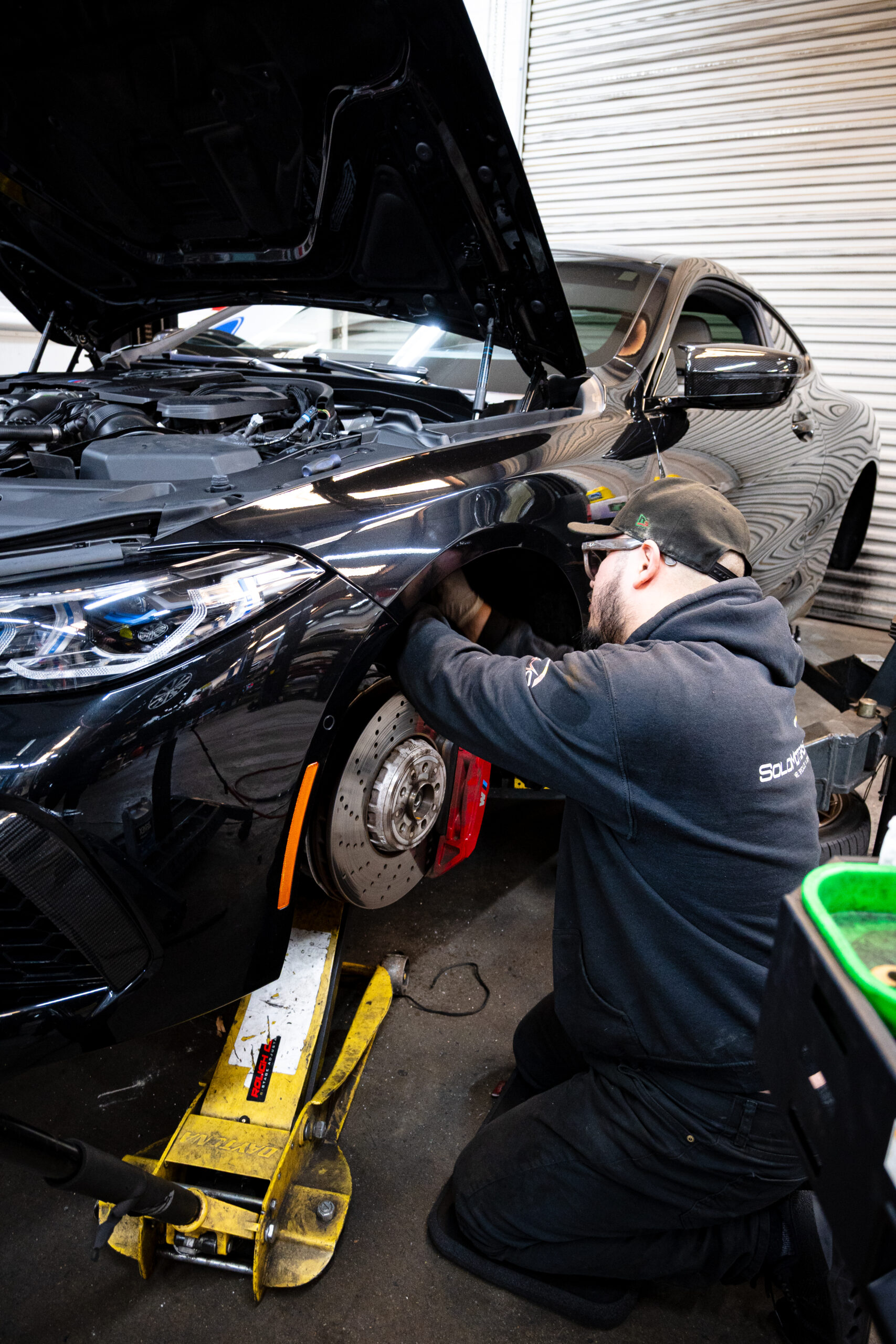
When you’re pushing your Audi through North Georgia’s hairpins or taking your BMW for a weekend at Road Atlanta, your brakes are under more stress than a commercial jet landing. You might notice the pedal getting “mushy” or the car simply refusing to stop with its usual bite. This is Brake Fade, and it’s the number one performance killer for European cars. To keep your machine sharp, you need to understand the science of heat and the fluid of your braking system. European brake fluid upgrades are essential for any car that sees regular spirited driving.
The Two Faces of Brake Fade
Not all fade is created equal. Understanding which one you’re experiencing tells you exactly what part of your car needs an upgrade.
1. Pad Fade (Friction Fade)
- The Symptom: The brake pedal feels firm and hard, but the car just won’t slow down. You’re pressing as hard as you can, but there’s no “bite.”
- The Cause: Your brake pads have exceeded their “Maximum Operating Temperature.” At this point, the resins in the pads can actually outgas, creating a microscopic layer of gas between the pad and the rotor; effectively making your car “hydroplane” on gas instead of water.
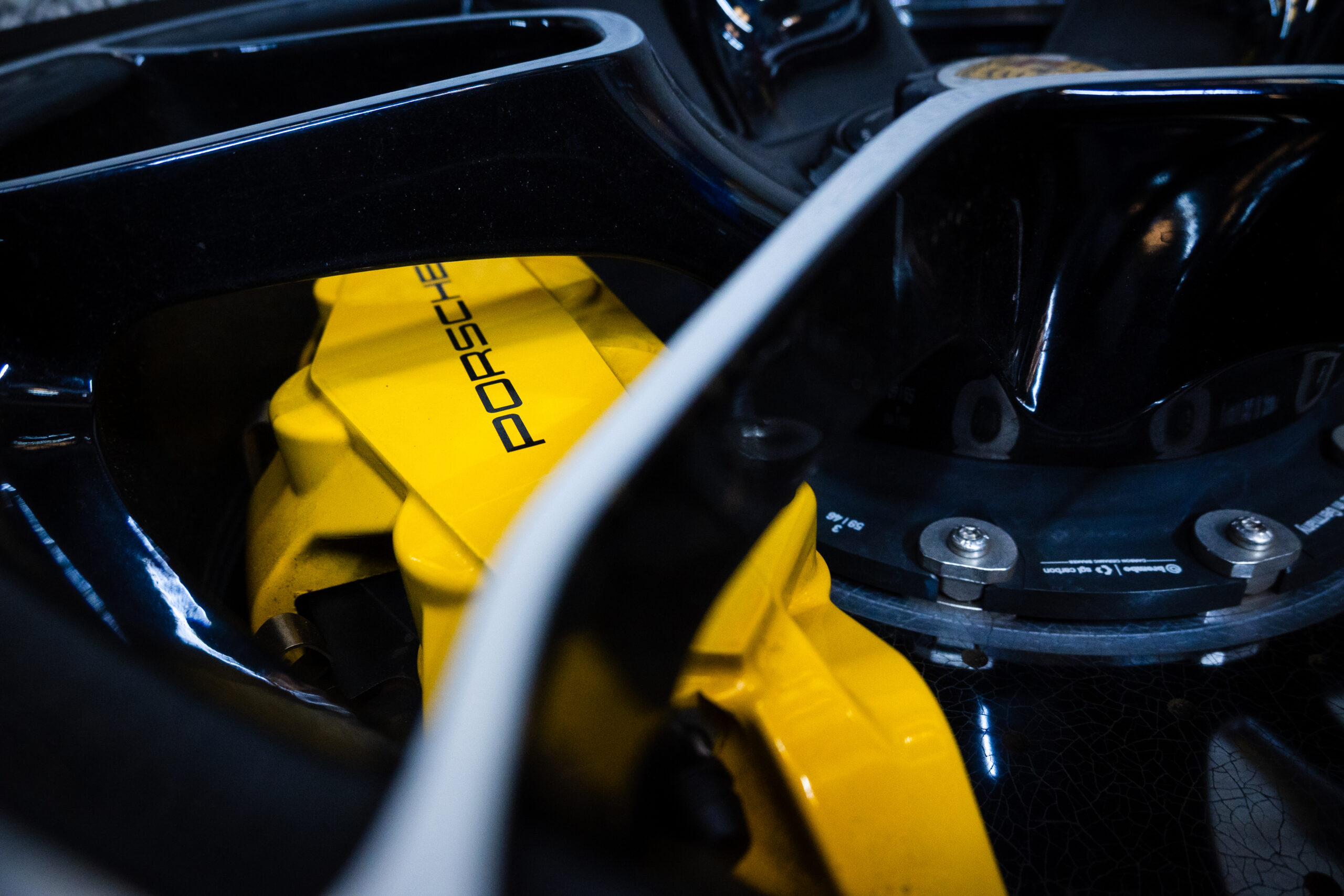
- The Fix: Upgrade to high-performance compound pads (like Brembo or Hawk) designed for higher heat ranges.
2. Fluid Fade (Pedal Fade)
- The Symptom: The brake pedal feels spongy or sinks to the floor. This is the “scary” kind of fade.
- The Cause: Your brake fluid has reached its boiling point. Because liquid is incompressible, your brakes work perfectly when the fluid is… well, fluid. But when it boils, it creates gas bubbles. Gas is compressible. When you hit the pedal, you’re just squishing bubbles instead of moving pistons.
- The Fix: A high-quality brake fluid flush and an upgrade to a fluid with a higher Dry Boiling Point.
Why “Fresh” Fluid Isn’t Enough
European manufacturers usually recommend a brake fluid flush every two years. Why? Because brake fluid is hygroscopic, meaning it acts like a sponge for moisture in the air.
- Dry Boiling Point: The temperature at which brand-new, pure fluid boils.
- Wet Boiling Point: The temperature at which fluid boils after it has absorbed about 3.7% water.
Even a tiny amount of water can drop your boiling point by 100°F or more. For a performance car, that’s the difference between a clean exit and an accidental off-road excursion.
Choosing Your Fluid: DOT 4 vs. DOT 5.1
Most modern European cars come from the factory with DOT 4. When upgrading, you have two main paths:
| Fluid Type | Best For | Pros |
| High-Performance DOT 4
(e.g. Motul RBF 660) |
Track Days & Spirited Driving | Massive dry boiling points (up to 600°F+). |
| DOT 5.1 | Performance Street & Cold Climates | Lower viscosity for faster ABS/Traction Control response in modern cars. |
Warning: Never use DOT 5 (Silicone-based) in a car designed for DOT 4 or 5.1. They do not mix and can cause catastrophic seal failure in your ABS pump.
Is Your Car Ready for the Mountain?
If you haven’t flushed your fluid in the last 12 months, or if you’re planning a spirited run, your brakes might be the weakest link in your European performance chain. Contact us today to set your appointment for your European brake fluid upgrades.