Call Alpharetta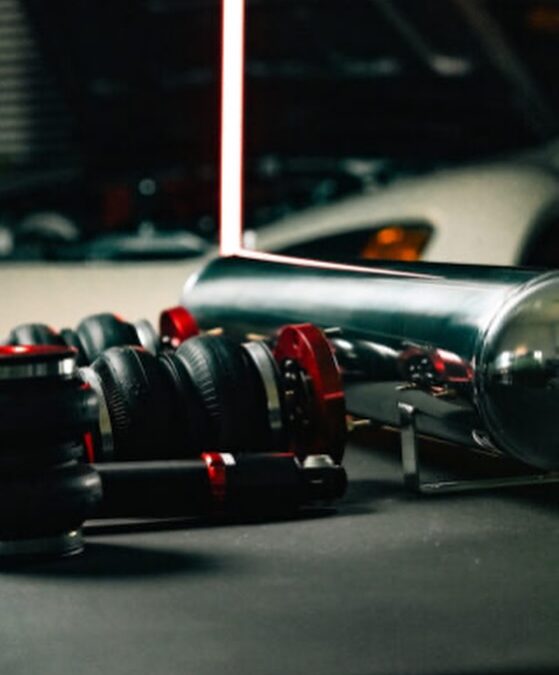
Which Upgrade Deserves Your Cash First?
You’ve finally done it. You bought the project car, or maybe you’ve just paid off your daily driver and you’re ready to start tinkering. You have a burning desire to modify your vehicle and a hole in your pocket where your savings used to be. Now you face the enthusiast’s oldest dilemma: Do you make it fast, or do you make it handle? It is the classic battle of Suspension vs. Power first. While the temptation to chase high horsepower numbers is strong, the “right” answer might not be the one you want to hear. Let’s break down the pros, the cons, and the strategy to build a car that is actually fun to drive.
The Allure of Power: The “Dyno Queen” Route
Let’s be honest; power is intoxicating. There is nothing quite like the feeling of being pinned to your seat, the sound of a turbo spooling, or the roar of an uncorked exhaust.
Why we want it first:
- Bragging Rights: It’s much cooler to say “I’m pushing 800 wheel horsepower” than “I have adjustable dampening.”
- Instant Gratification: You feel power immediately in a straight line. Traffic light to traffic light, power rules.
- The Sound: Intake and exhaust mods (often the first step in power adders) make the car sound aggressive.
The Downside
If you add 100 horsepower to a car with stock, sloppy suspension and cheap tires, you haven’t built a race car; you’ve built a missile with no guidance system. High power in a car that can’t put it to the ground results in wheel spin, torque steer, and a chassis that feels terrifying rather than exciting.
The Reality Check: A fast engine in a slow chassis is only fun for about 10 seconds at a time. After that, you have to turn the steering wheel.
The Case for Suspension: The “Driver’s Car” Route
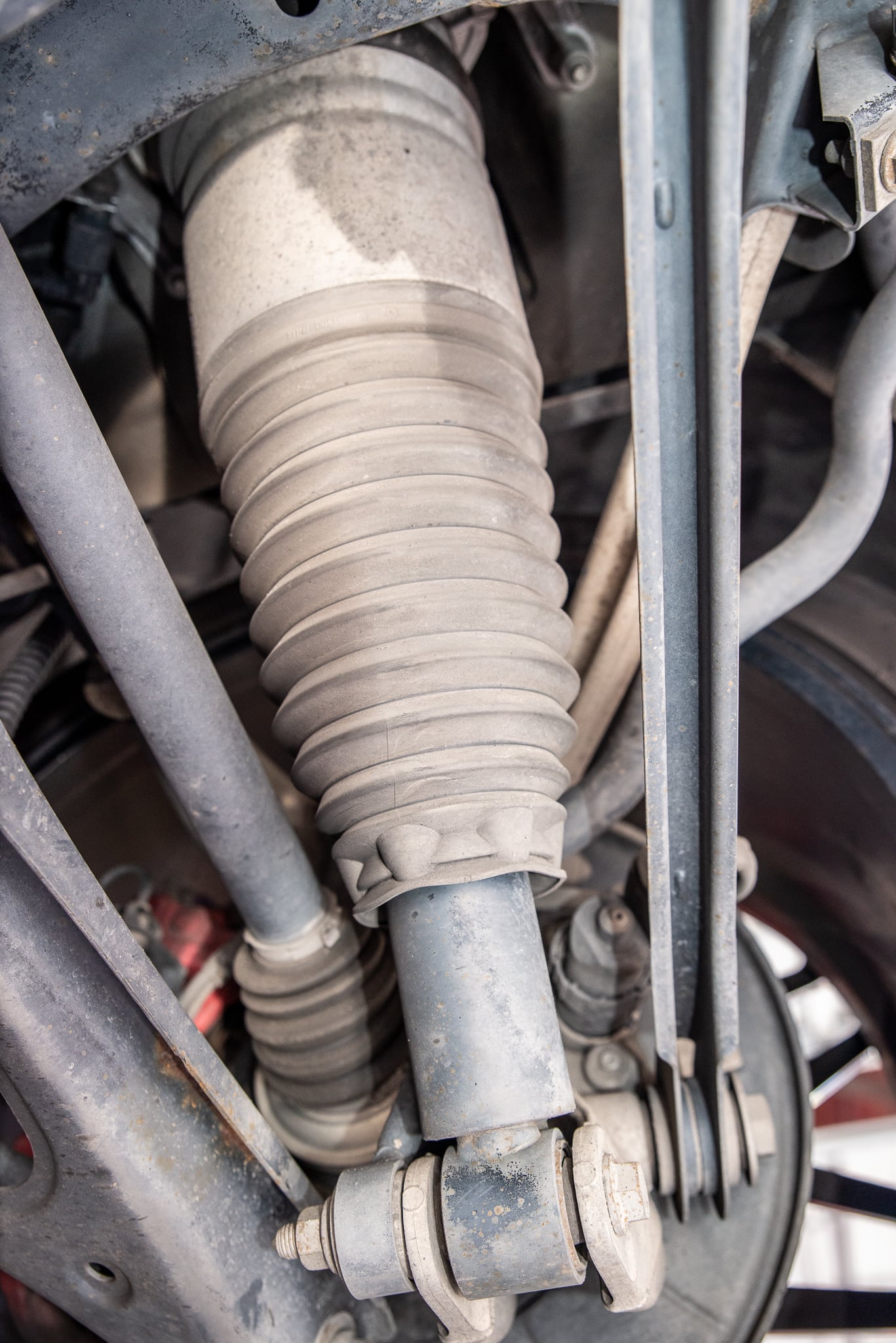
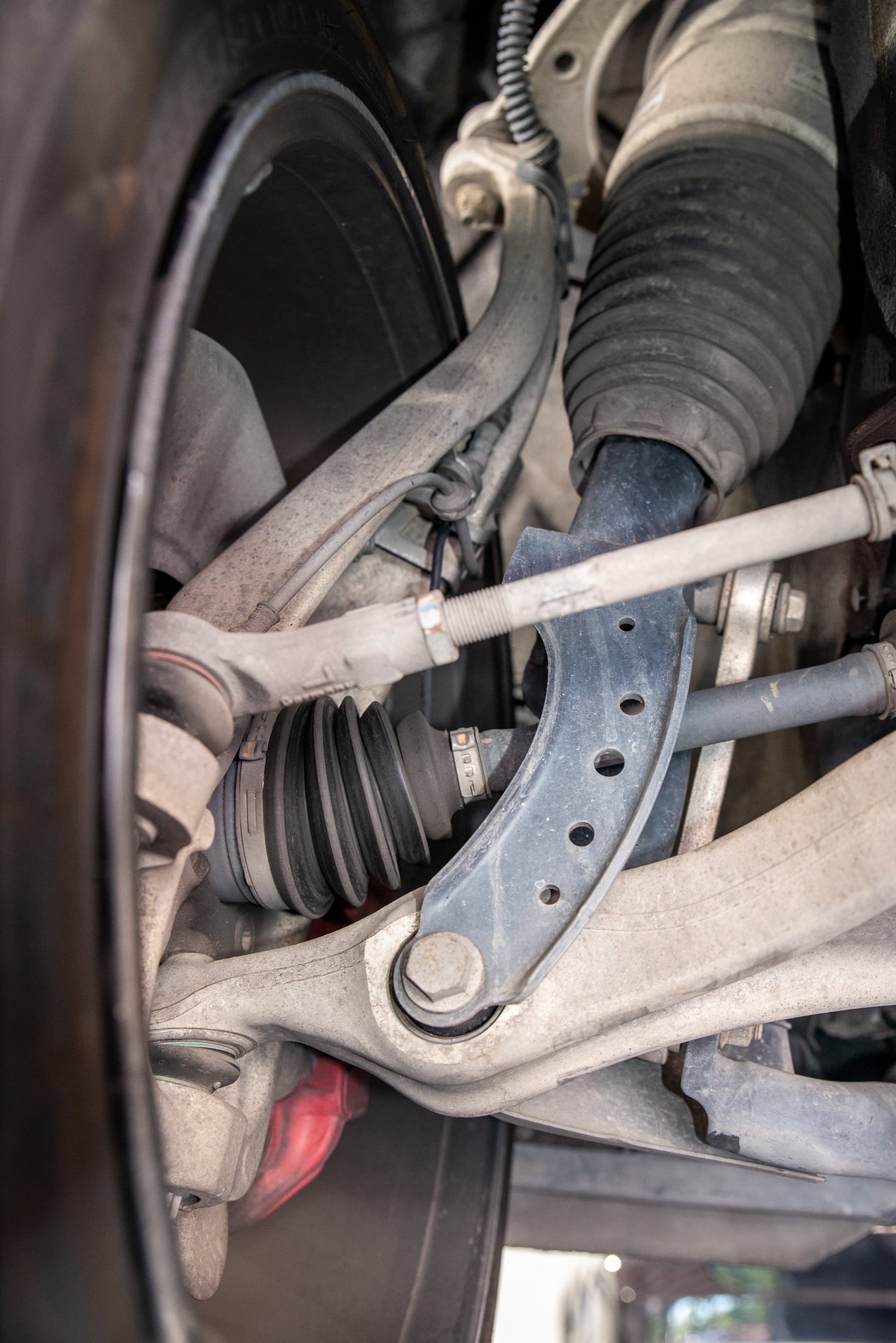
Suspension upgrades: coilovers, lowering springs, sway bars, and bushings; are often unsexy. You can’t see them easily, and they don’t make cool noises. However, they transform the character of the car.
Why it should (probably) be your first choice:
- Confidence: A tighter chassis communicates better with the driver. You feel what the car is doing, which encourages you to push harder.
- Cornering Speed: You can carry more speed through corners. In a canyon run or on a track day, a Miata with suspension work will often embarrass a Mustang with 300 more horsepower simply because the Miata doesn’t have to slow down for the turns.
- Aesthetics: Let’s not pretend looks don’t matter. Lowering the car to remove that unsightly wheel gap makes the vehicle look aggressive and planted, even when parked.
- Safety: Better suspension usually means less body roll and better stability during emergency maneuvers.
The Verdict: Build the Foundation First
If you ask seasoned racers or veteran tuners, the consensus is almost unanimous: Upgrade the Suspension (and Brakes/Tires) First.
Think of your car like a bodybuilder. Adding a massive turbo without upgrading the suspension is like a bodybuilder who skips leg day. You have a massive upper body (engine) supported by tiny, wobbly legs (chassis). It looks unbalanced, and it will eventually topple over.
The “Handling First” Roadmap
By prioritizing suspension, you prepare the chassis to handle the power you will add later. When you finally do install that supercharger or tune, your car will be ready to translate that energy into forward motion rather than tire smoke and terrifying body roll.
The Holy Trinity of the “First Mod”
If you are ready to spend, ignore the cold air intake for a moment and look at this trinity:
- Tires: The single most important component. They are the only thing touching the road.
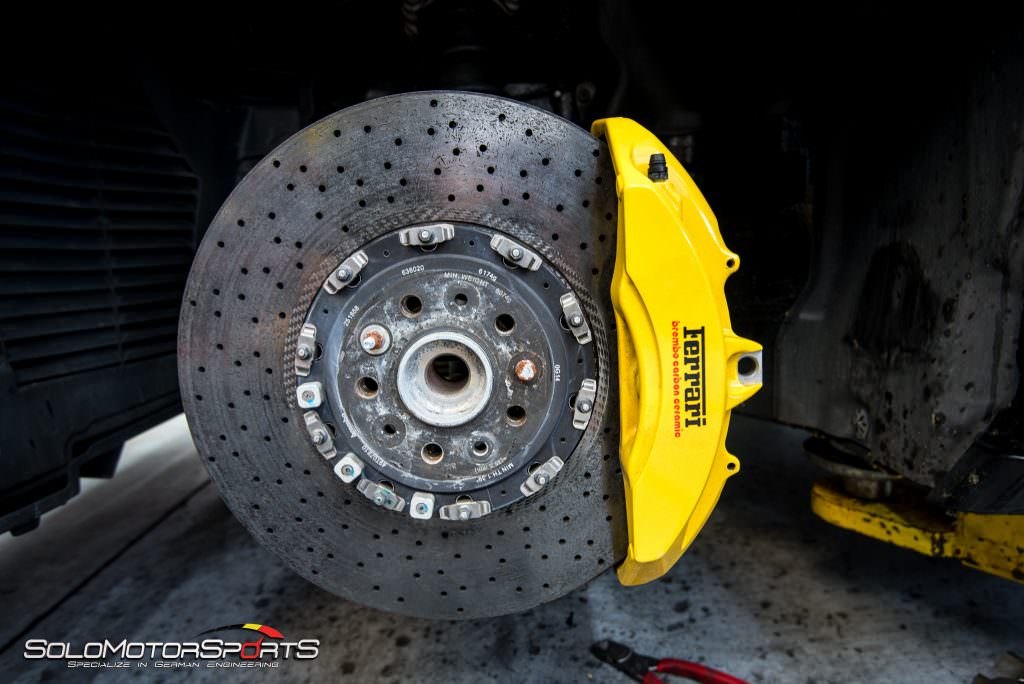
- Brake Pads/Fluid: You need to stop as fast as you go.
- Coilovers/Springs: Lower center of gravity and stiffer spring rates.
Summary: A Side-by-Side Comparison
| Feature | Power Upgrades First | Suspension Upgrades First |
| Fun Factor | High (in straight lines) | High (in corners) |
| Drivability | Can make the car jerky/unpredictable | Makes the car sharper/responsive |
| Safety | Increases risk if uncontrolled | Increases control and stability |
| Visual Appeal | None (unless hood is open) | High (improved stance) |
| Cost Efficiency | Expensive ($$$ per HP) | Moderate (High impact per $) |
Final Thoughts
It requires discipline to spend $2,500 on suspension and tires when you could have spent it on a tune and bolt-ons. But delayed gratification wins here.
Build a car that handles like it’s on rails. Learn to drive it fast with stock power. Then, when you finally add the horsepower, you’ll have a weapon that dominates the street and the track.
Don’t build a glass cannon. Build a complete machine.